What is an OC (Original Character)? The Complete Guide for Anime Fans
Introduction
If you've spent any time in anime communities, DeviantArt, or fanfiction forums, you've definitely seen the term "OC". People talk about "my OC," share artwork of characters you've never seen in any show, and discuss detailed backstories for them.
But what exactly is an OC? Why are they so popular? And most importantly, how can you create one yourself—even if you can't draw?
In this guide, we'll dive deep into the culture of Original Characters and show you how to join the fun.
What Does "OC" Mean?
OC stands for Original Character.
In simple terms, an OC is a unique character created by an individual (you!) rather than coming from an existing canon property like Naruto, One Piece, or My Hero Academia.
Unlike "Canon Characters" (who are officially part of a story created by the original author), an OC belongs entirely to their creator. They have their own:
- Appearance: Design, clothing, colors.
- Personality: Traits, quirks, flaws.
- Backstory: History, relationships, goals.
- World: They can exist in an original world or be inserted into an existing universe (more on that below).
In short: An OC is your personal avatar or creative child in the world of fiction.
The 3 Main Types of OCs
Not all OCs are the same. In the anime and art community, they usually fall into three categories:
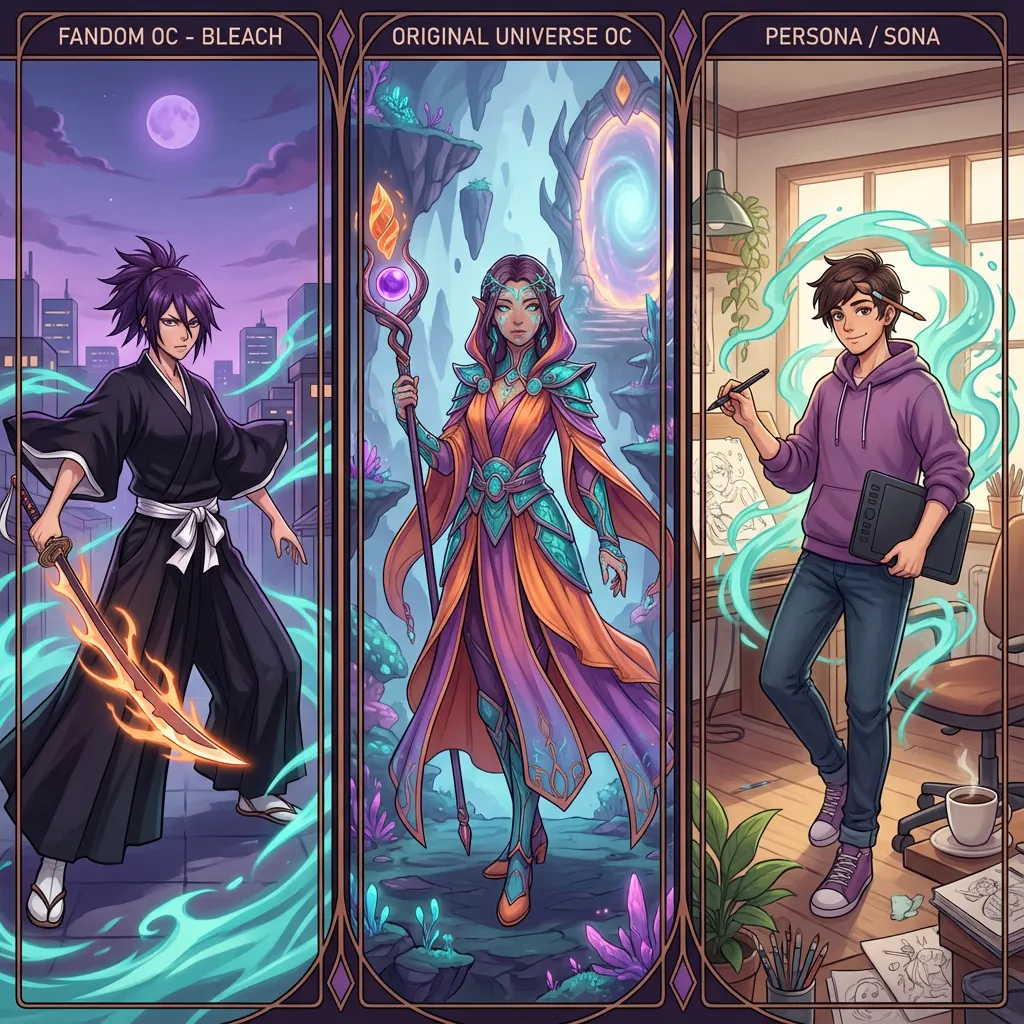
1. Fandom OCs (Fan Characters)
These are characters designed to fit into an existing universe, like Harry Potter, Star Wars, or Demon Slayer.
- Example: A "Soul Reaper" OC for the Bleach universe with their own Zanpakuto.
- Purpose: To explore "what if" scenarios or roleplay interacting with canon characters. "Self-Inserts" (putting yourself in the story) often fall here.
2. Original Universe OCs
These characters exist in a completely new world created by the artist.
- Example: Characters for your own webcomic, novel, or game concept.
- Purpose: Pure storytelling and world-building. These OCs don't rely on existing franchises.
3. Persona / Sona
A representation of the creator themselves.
- Example: An artist's avatar used in profile pictures or diary comics.
- Purpose: Branding and online identity. Vtuber avatars are a high-tech version of this!
Why Do People Create OCs?
Creating an OC is one of the most engaging forms of creative expression. Here's why millions of fans do it:
- Creative Freedom: You are the god of your character's world. You decide their fate.
- Roleplay & Community: "OC RP" (Roleplay) is huge. People act as their characters in text chats to write collaborative stories.
- Art Practice: OCs give artists a consistent subject to draw and improve upon.
- Emotional Outlet: Many creators project their own hopes, fears, or ideal selves into their characters.
How to Create Your Own OC (Step-by-Step)
You don't need to be a professional writer or artist to make a great OC. Just follow these steps:
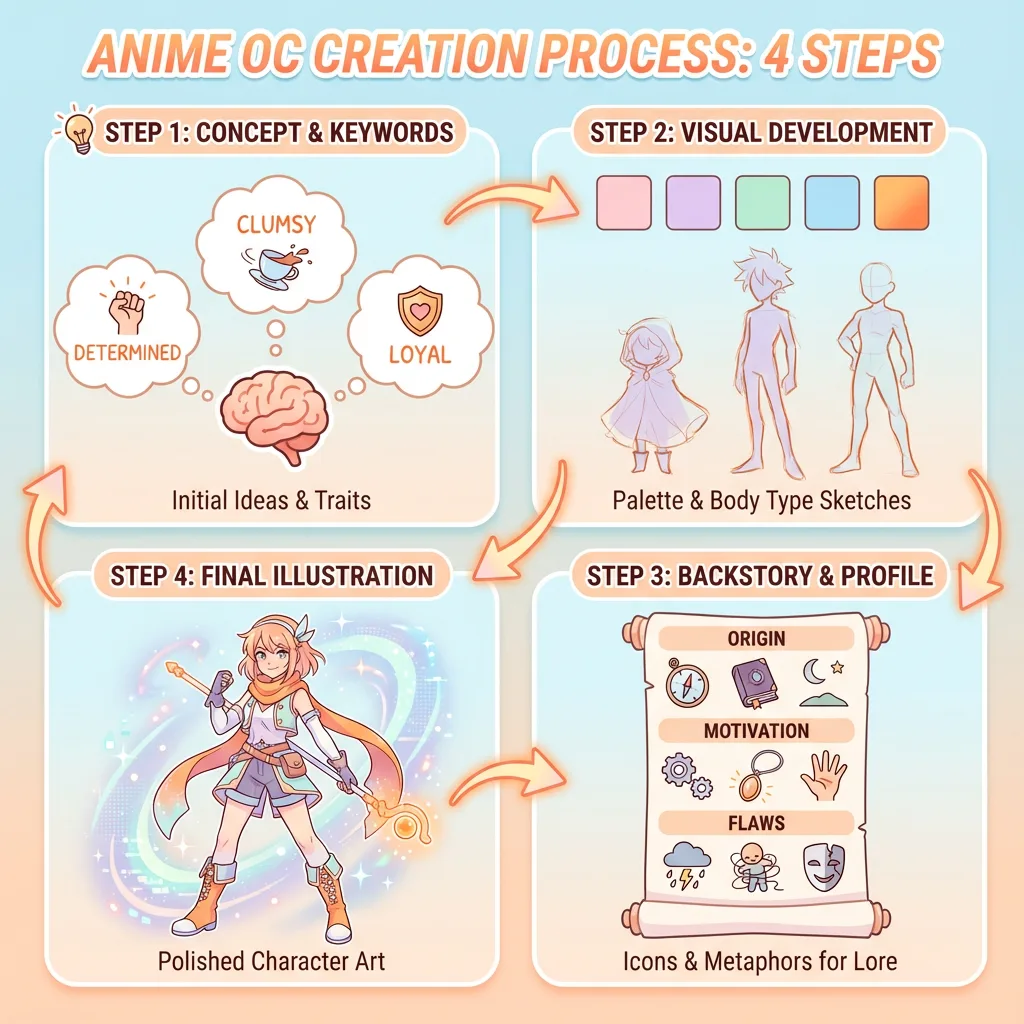
Step 1: Concept & Archetype
Start with a core idea. Is your character a shy healer? A hot-headed warrior? A mysterious hacker?
- Tip: Pick 3 adjectives to define them (e.g., "Determined," "Clumsy," "Loyal").
Step 2: Design & Appearance
What do they look like? Consider:
- Color Palette: Does red represent their anger? Blue for calmness?
- Silhouette: Big bulky armor or sleek robes?
- Distinctive Features: Scars, tattoos, odd eye colors, or signature accessories.
Step 3: Backstory & Lore
Where do they come from?
- Origin: A tragic past? A peaceful village?
- Motivation: What do they want right now? (To become stronger? Revenge? To protect someone?)
- Flaws: A perfect character is boring. Give them weaknesses!
Step 4: Bring Them to Life (The Hard Part?)
Traditionally, this meant spending hours drawing or commissioning an artist (which can cost $50-$200+).
But today, AI has changed the game.
Tools like AnividAI allow you to visualize your OC just by describing them.
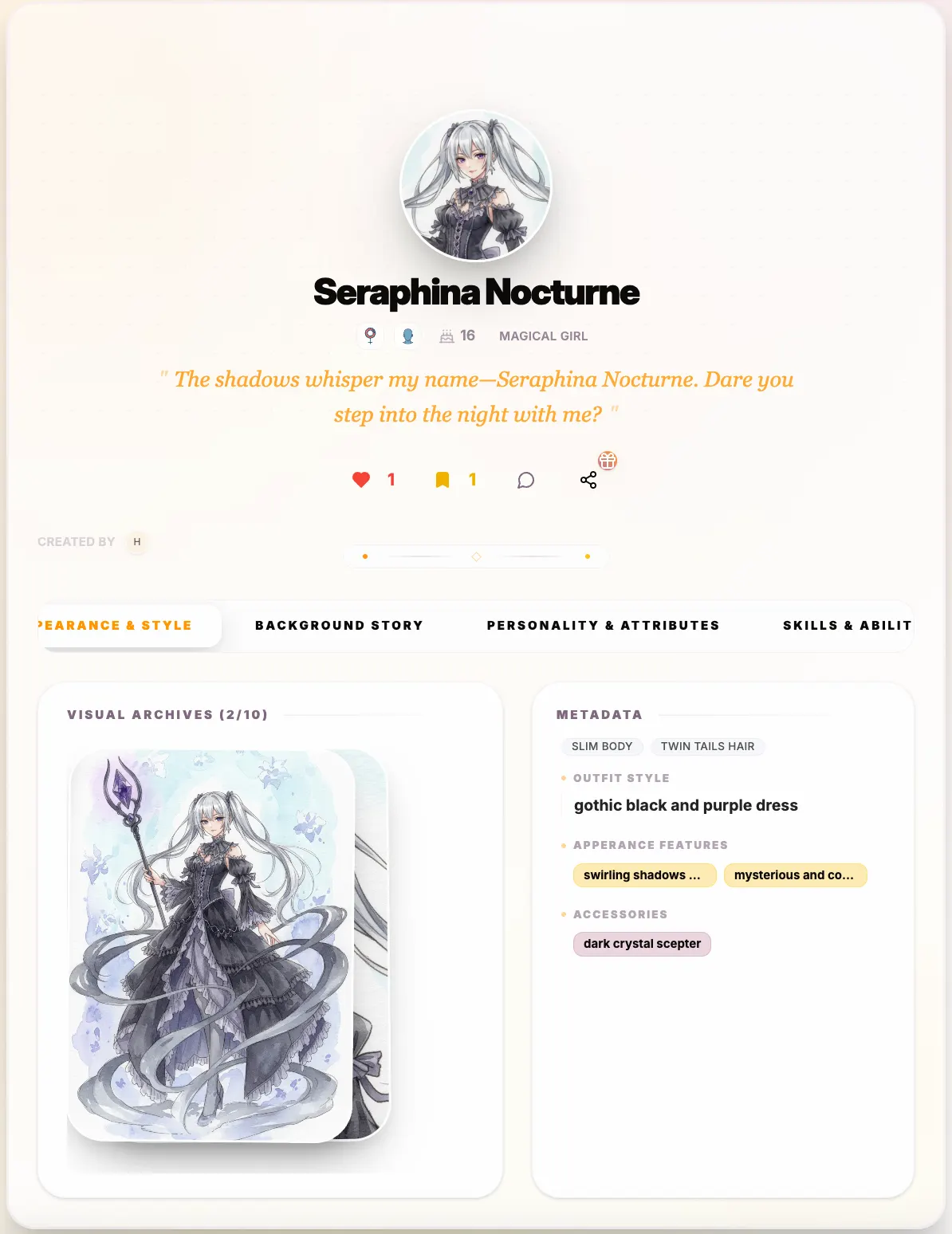
- Don't know how to draw? Just type "silver hair, blue eyes, anime style, wearing a kimono."
- Need a backstory? AI can help you brainstorm origins and personality traits.
- Want to chat? You can even "talk" to your OC to test their personality.
Common OC Terminology (The "Slang")
- Mary Sue / Gary Stu: A derogatory term for an OC who is too perfect, powerful, or loved by everyone without earning it. Avoid this!
- Headcanon: Personal beliefs about a character or world that aren't officially confirmed.
- Adoptables: OCs designed by an artist to be "sold" to others. You buy the rights to own the character.
- Commission: Paying an artist to draw your OC.
- Sheet / Ref Sheet: A reference image showing the character from multiple angles (front, back, side) for consistency.
Conclusion: Start Your Journey
Creating an OC is more than just making a character; it's about claiming your own corner of the creative world. Whether you want to write a novel, roleplay with friends, or just have a cool avatar, an OC is your vehicle for imagination.
Ready to make your first OC?
You don't need to wait. Try AnividAI's OC Maker to generate a full character profile—visuals, backstory, and all—in just a few clicks.
Read More
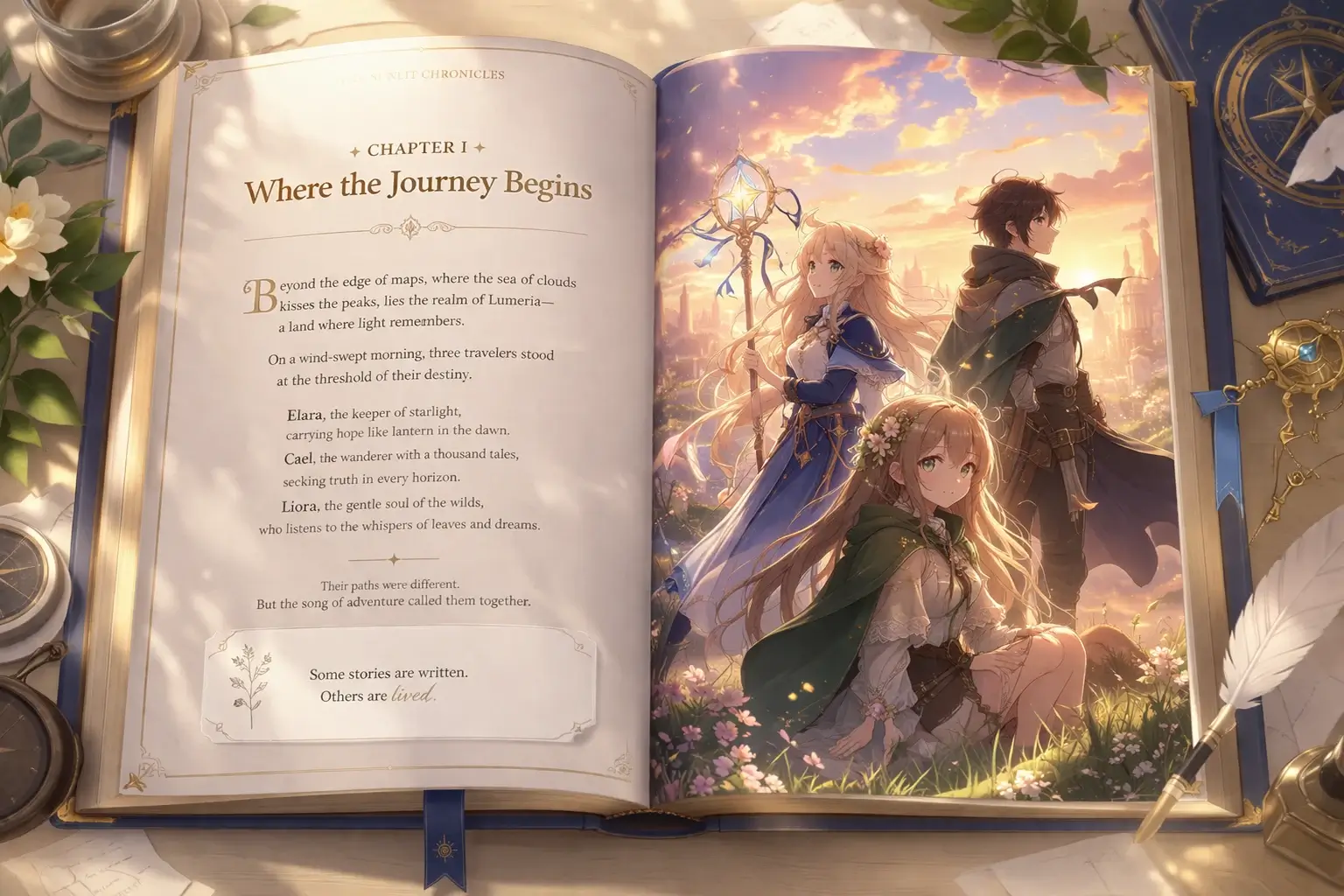
AI Story Generator: Create Illustrated Anime Stories Page by Page
Learn how AnividAI's AI Story Generator helps you turn a premise into illustrated anime story pages with World, Genre, Language, Character Studio OCs, and optional video clips in a book-spread workbench.
Read More
AI Anime Video Generator: A Beginner's Complete Guide
Learn how AnividAI's AI Anime Video Generator helps you turn static illustrations into dynamic anime masterpieces, seamlessly leveraging Character Studio OCs, multi-shot modes, and high-fidelity video models.
Read More